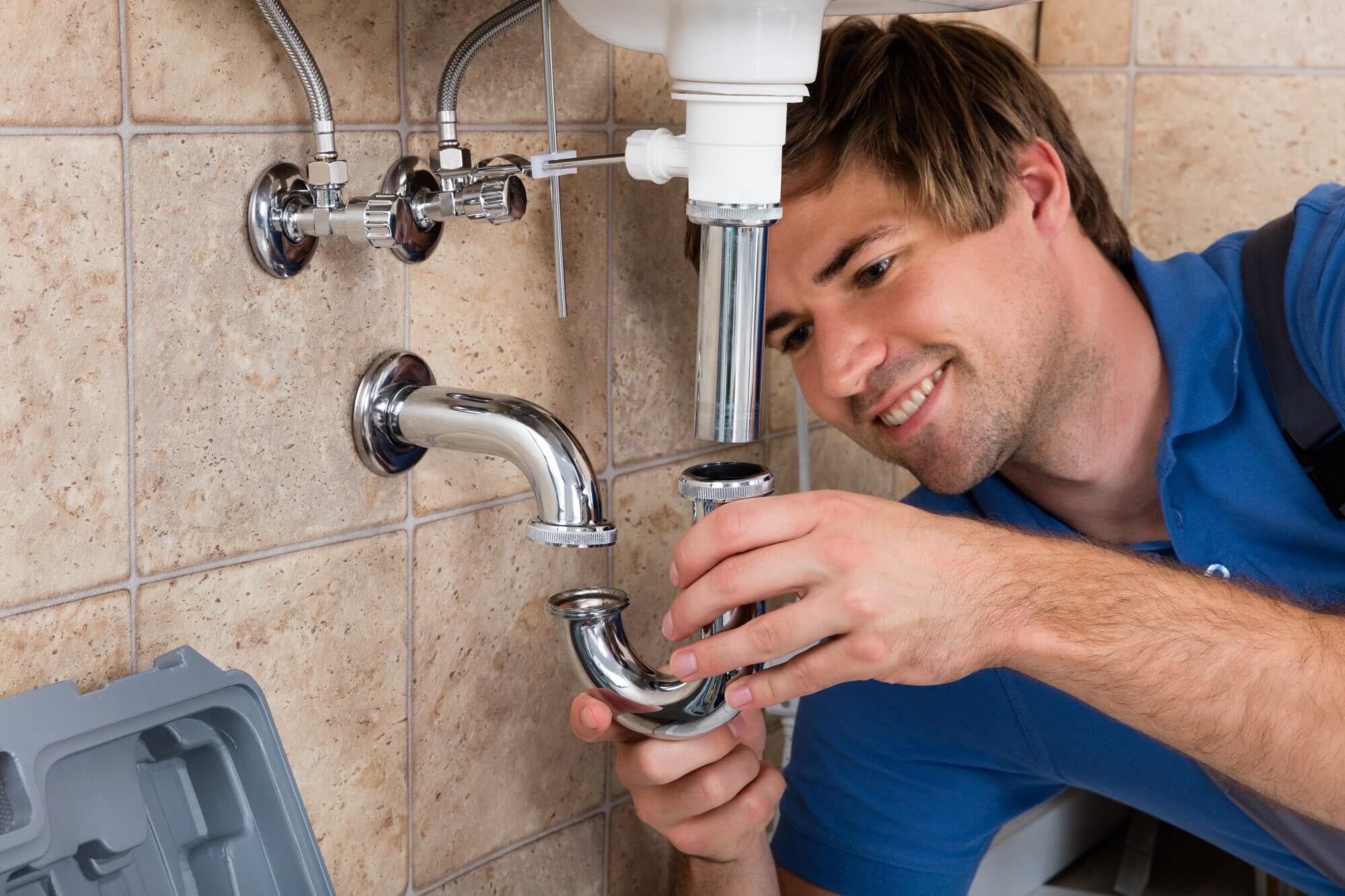
The installation of bathroom sink plumbing is a crucial task that requires attention to detail, precision, and a comprehensive understanding of plumbing systems. Proper installation is not just about ensuring that water flows smoothly; it also involves preventing potential issues such as leaks, clogs, and water damage. With the right approach, homeowners can ensure their bathroom plumbing system is efficient and reliable, leading to long-term satisfaction and reduced maintenance costs. Understanding the importance of proper installation can save time, money, and prevent future inconveniences.
Key Benefits of Proper Installation
Ensuring the correct installation of bathroom sink plumbing comes with several benefits that extend beyond just functionality. Here are some of the key advantages:
- Prevention of Water Damage: Proper installation can avert leaks that may cause significant water damage to flooring and cabinetry.
- Enhanced Longevity: A well-installed system tends to last longer, reducing the need for frequent repairs or replacements.
- Improved Efficiency: Correct plumbing installation ensures optimal water flow and pressure, enhancing the overall user experience.
- Health Safety: Properly installed plumbing reduces the risk of mold and mildew growth, which can arise from unnoticed leaks and moisture.
For those interested in understanding how a professional approach can transform their bathroom plumbing, discover expert strategies here.
Common Mistakes in Bathroom Sink Plumbing
Even minor errors during installation can lead to significant problems down the line. Here are some common mistakes that can be avoided with knowledgeable planning and execution:
- Incorrect Pipe Slope: The pipes need an appropriate slope to ensure proper drainage. A slope that is too steep or too shallow can cause drainage problems.
- Improper Use of Materials: Using mismatched or low-quality materials can compromise the system?s integrity.
- Neglecting Venting Requirements: Adequate venting is crucial for preventing sewer gases from entering the home and ensuring efficient drainage.
- Overtightening Connections: Excessive tightening can damage seals and lead to leaks.
To avoid these pitfalls, it is advisable to consult experienced professionals. Learn about our tailored solutions to ensure a flawless installation.
Steps for a Successful Installation
Plan and Measure
Before starting any installation, it’s vital to plan and measure the area where the sink will be installed. This involves checking the available space, ensuring compatibility with existing plumbing, and selecting the appropriate sink and fixtures.
Choose Quality Materials
Selecting high-quality materials is crucial for the longevity of the plumbing system. This includes pipes, fittings, and sealants. Quality materials are resistant to wear and reduce the likelihood of leaks and other issues.
Follow Industry Standards
Adhering to industry standards and codes is essential for safety and functionality. These standards ensure that the plumbing setup is safe, efficient, and compliant with local regulations.
For a comprehensive guide to successful plumbing installation, explore advanced guides and tips.
Why Professional Installation Matters
While DIY projects can be tempting, professional installation is recommended for bathroom sink plumbing. Professionals have the expertise, tools, and experience to handle complex installations effectively. They can identify potential issues before they arise and ensure that the plumbing system is installed correctly the first time.
For those looking to ensure their bathroom plumbing is handled by experts, find out more about this approach and consider professional services for peace of mind.
About the Author


