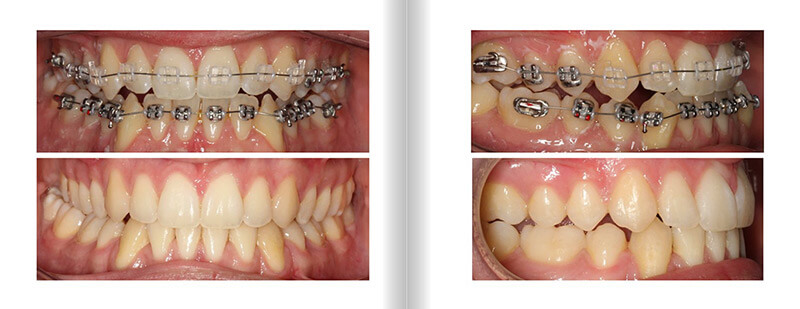
Ensuring optimal oral health in children is a critical aspect of their overall well-being. One of the most effective ways to address dental issues early on is through the use of braces. This orthodontic treatment not only enhances aesthetics but also significantly contributes to better oral health. Understanding the benefits and processes associated with kids’ braces can help in making informed decisions about dental health interventions.
Understanding Kids Braces
Kids braces are orthodontic devices used to correct dental alignment and bite issues. They are a common solution for numerous dental problems that can affect children, including crooked teeth, overbites, underbites, and spacing issues. Braces work by applying continuous pressure over time to move teeth into the desired position.
Types of Braces for Kids
- Metal Braces: These are traditional braces made of high-grade stainless steel. They are the most common type and are highly effective for complex cases.
- Ceramic Braces: Made of clear materials, ceramic braces are less noticeable than metal braces and are often chosen for aesthetic reasons.
- Lingual Braces: Positioned behind the teeth, lingual braces are hidden from view, making them an attractive option for those concerned about aesthetics.
- Invisible Braces: These are clear, removable aligners that offer an alternative to traditional braces. They are suitable for less severe cases.
For further insights into the types of braces and their suitability, explore further insights here.
The Benefits of Kids Braces
Braces offer a multitude of benefits beyond just straightening teeth. Here are some key advantages:
- Improved Oral Hygiene: Straight teeth are easier to clean, reducing the risk of cavities and gum disease.
- Corrected Bite: Proper alignment of teeth ensures efficient chewing and reduces undue wear on teeth.
- Enhanced Speech: Misaligned teeth can cause speech difficulties, which braces can help resolve.
- Boosted Confidence: Achieving a straight and attractive smile can significantly enhance a child’s self-esteem.
For more details on how braces can enhance oral health, read more about this topic.
When to Consider Braces for Kids
Determining the right time to get braces for children involves considering both dental development and individual needs. Here are some indicators:
- Early or late loss of baby teeth.
- Crowded, misplaced, or blocked-out teeth.
- Jaws that shift or produce sounds.
- Difficulty in biting or chewing.
Consulting with a dental professional can provide personalized advice on the best timing for orthodontic treatment. Learn more in this detailed guide.
Caring for Braces
Proper maintenance of braces is crucial for achieving the desired results. Here are some tips:
- Brush teeth thoroughly after every meal to prevent plaque buildup.
- Use a floss threader to clean between the braces and teeth.
- Avoid sticky and hard foods that can damage the braces.
- Attend regular check-ups with the orthodontist to monitor progress.
For comprehensive care tips, find additional information here.
Conclusion
Braces for children are more than just a cosmetic treatment. They play a vital role in ensuring long-term oral health, correcting misalignments, and preventing future dental issues. By understanding the benefits and care requirements, parents can make informed decisions to support their child’s dental health journey. For a deeper understanding of orthodontic options for kids, explore further insights here.
About the Author


