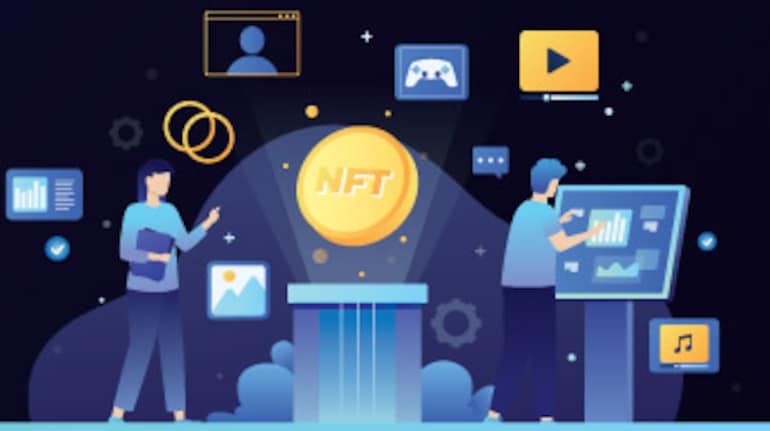
The gaming industry is on the brink of a revolutionary transformation, thanks to the advent of Non-Fungible Tokens (NFTs). These digital assets are not only changing the way players interact with games but are also reshaping the economic models of the gaming ecosystem. As NFTs continue to gain traction, players and developers alike are exploring new ways to engage with gaming platforms. The NFT marketplace is emerging as a vital component in this evolution, presenting both opportunities and challenges that will define the future of gaming.
The Rise of NFTs in Gaming
NFTs have become a significant trend in gaming, offering unique digital ownership that was previously impossible. Unlike traditional in-game items, NFTs are verifiable and can be traded outside the gaming environment, providing players with genuine ownership.
- **Authentic Ownership:** NFTs enable players to truly own their in-game assets, which can be transferred or sold independently of the game.
- **Interoperability:** Digital assets can be used in multiple games or platforms, enhancing their utility and value.
- **Scarcity and Value:** Limited edition NFTs create scarcity, driving demand and potentially increasing the value of in-game items.
For more insights into how NFTs are changing gaming, discover expert strategies here.
Economic Impact of NFT Marketplaces
NFT marketplaces are not just about trading digital art or collectibles; they are becoming crucial economic hubs within the gaming industry.
Monetization Opportunities
Gaming companies are exploring new revenue streams by integrating NFTs into their platforms. This shift opens up possibilities for:
- **Creator Royalties:** Developers and artists can earn royalties on secondary sales of NFTs, ensuring continuous revenue beyond the initial sale.
- **Player-Driven Economies:** Players can engage in peer-to-peer trading, creating a vibrant economy that benefits both creators and players.
- **Dynamic Pricing Models:** The value of NFTs can fluctuate based on demand, allowing for dynamic pricing strategies that reflect real-world economics.
To understand how these models can be implemented, learn about our tailored solutions.
Challenges and Considerations
While the potential benefits of NFT marketplaces in gaming are substantial, there are challenges that need addressing to ensure sustainable growth.
Security and Fraud Prevention
Ensuring the security of digital assets is paramount, as the risk of fraud and hacking can undermine trust in NFT marketplaces. Key considerations include:
- **Robust Authentication:** Implementing strong authentication measures to protect users’ digital assets.
- **Transparent Transactions:** Utilizing blockchain technology to ensure all transactions are transparent and immutable.
- **User Education:** Educating players about safe practices in NFT trading to prevent scams and fraud.
Explore advanced guides and tips to enhance security measures here.
The Future Landscape of Gaming with NFTs
The integration of NFTs into gaming is poised to redefine how players interact with digital content. As the technology matures, several trends are expected to shape the industry’s future:
- **Enhanced Player Engagement:** Players are likely to become more engaged, driven by the real-world value of their in-game efforts.
- **Cross-Platform Integration:** As NFTs gain acceptance, seamless integration across different gaming platforms will become a norm.
- **Continued Innovation:** Developers will continue to innovate, creating new gameplay experiences that leverage the unique properties of NFTs.
For those interested in diving deeper into these trends, find out more about this approach.
In conclusion, NFT marketplaces are set to revolutionize the gaming industry, offering unprecedented opportunities for players and developers alike. As this technology advances, it will be crucial for stakeholders to address challenges and harness the full potential of NFTs to create a more vibrant and sustainable gaming ecosystem.
About the Author


