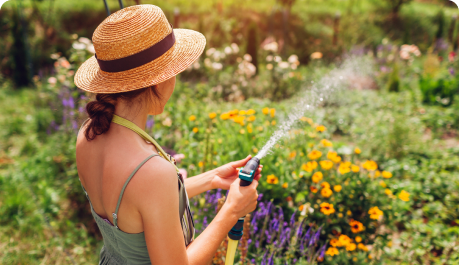
The lush landscapes of Byron Bay are renowned for their natural beauty, but maintaining this verdant paradise requires effective pest management strategies. The unique climate and biodiversity of the region present specific challenges, necessitating tailored approaches to pest control. By implementing strategic and environmentally-friendly solutions, these challenges can be met, ensuring the health and vitality of local gardens and landscapes.
Understanding the Local Ecosystem
Byron Bay’s climate and flora create an ecosystem where various pests thrive. Understanding the local ecosystem is crucial for developing effective pest management strategies. This includes recognizing the types of pests most common in the area and understanding their life cycles and habitats.
Common Pests in Byron Bay
- Aphids: Often found on new growth, causing damage by sucking sap from plants.
- Caterpillars: Known for feeding on leaves and potentially defoliating plants.
- Fungal diseases: Often result from the humid climate, affecting plant health.
Discover expert strategies here for dealing with these common threats.
Integrated Pest Management (IPM) Strategies
Integrated Pest Management (IPM) is a holistic approach that combines different management strategies and practices to grow healthy crops and minimize the use of pesticides. It emphasizes long-term prevention and control of pests through a combination of techniques.
Key Components of IPM
- Monitoring: Regularly checking plant health and pest levels.
- Biological Control: Utilizing natural predators or parasites to control pest populations.
- Cultural Practices: Modifying gardening practices to reduce pest establishment, reproduction, and survival.
- Mechanical and Physical Controls: Using barriers or traps to manage pests.
Learn about our tailored solutions by visiting this page.
Environmentally-Friendly Pest Control
With growing awareness of environmental issues, modern pest management increasingly focuses on sustainability. This involves using methods that are safe for both humans and the environment, reducing the reliance on chemical pesticides.
Eco-Friendly Techniques
- Organic Pesticides: Natural substances that control pests with minimal environmental impact.
- Soil Health: Maintaining healthy soil to encourage strong plant growth and natural resistance to pests.
- Companion Planting: Using specific plant combinations to deter pests naturally.
Explore advanced guides and tips on sustainable practices here.
Professional Consultation and Support
For those seeking to optimize their pest management strategies, professional consultation offers invaluable insights. Experts can provide tailored solutions that address specific challenges faced by Byron Bay landscapes.
Find out more about this approach and how it can benefit your garden by visiting this link.
Conclusion
Effective pest management in Byron Bay requires a thorough understanding of local conditions and an integrated approach that combines various strategies. By focusing on sustainable, eco-friendly solutions and seeking expert guidance, gardeners can maintain the health and beauty of their landscapes. Embracing these methods not only protects the environment but also ensures that Byron Bay continues to be a haven of natural beauty.
About the Author


