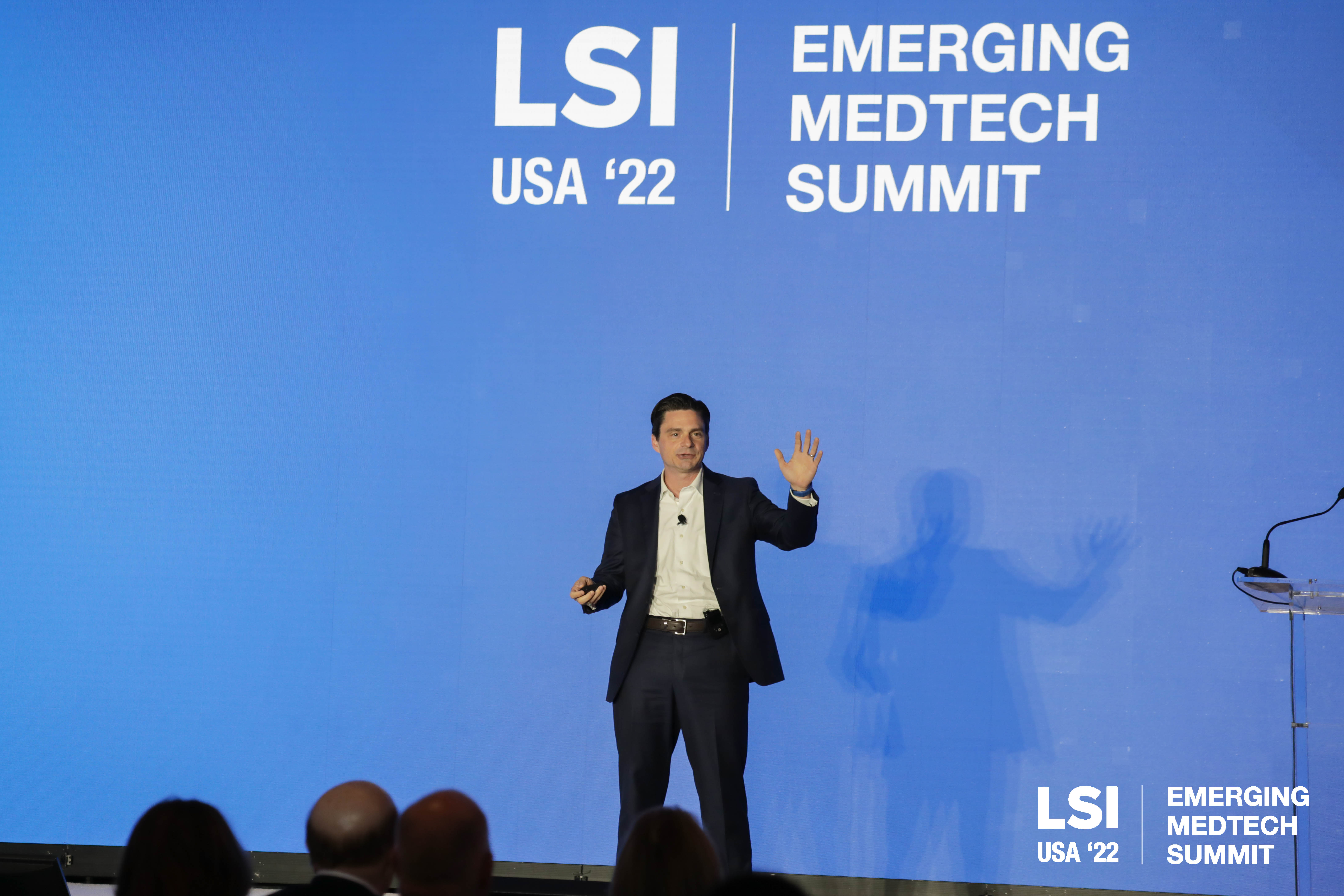
The medtech industry stands at a unique crossroads among healthcare, technology, and innovation. Unlike most other industries, every breakthrough in this industry has the potential to save a life or significantly improve the quality of one’s life. Although building a successful medical technology firm isn’t easy, it takes all of these elements: a solid understanding of clinical need, strong engineering skills, a sound business strategy, and sheer determination to succeed. Reviewing the stories of successful medtech founders can provide useful insights for those looking to create their own business in a very difficult yet rewarding industry.
Identify Real Needs in Healthcare
Most successful medical technology founders start with the goal of addressing a real-world healthcare problem. Instead of trying to develop a product just for the sake of having a nice piece of technology, develop a solution that will make a positive and quantifiable difference in patient care. For example, developers of minimally invasive surgical devices didn’t just want to create a “new toy”; they wanted to create products that would decrease recovery times for patients and improve the accuracy of surgical procedures by physicians.
Involve Clinicians and Patients Early
One of the most common mistakes new medical device companies make is to go through the product development process in isolation; therefore, their new devices may not meet the real-world needs of their target audience (e.g., doctors, nurses, patients). Involving these groups in the early stages of product development provides valuable insight to help ensure the ultimate success of their products.
Recognizing and Analyzing Regulatory Pathways
The medical technologies (Medtech) sector is one of the most heavily regulated sectors globally, so successful founders view regulations as roadmaps rather than obstacles. They incorporate FDA regulatory approvals, or similar approvals in other countries, into the planning stage of their product development and design.
Having an effective regulatory strategy will prevent delays in your product reaching the market and put the organization in a better position to enter its designated market.
Developing a Multidisciplinary and Diverse Team
No founder can achieve success on their own. Innovations in the Medtech industry rely on the need for skilled knowledge in engineering, clinical research, regulatory affairs, and business development. Successful organizations attribute their accomplishments to the development of teams that bring diversity in skill sets and perspectives, fostering creativity and problem-solving.
Iteration and Resilience
Learning through iteration and resilience are essential for innovating in the medical technology space. The path to achieving any type of product development will have ups and downs due to various reasons, such as unsuccessful clinical trials or a lack of funding. Successful founders know that being resilient is key to their success. They learn from their failures or mistakes, quickly make changes to their product or strategy, and keep their eye on the end goal.
Business Model Needs to Be Sustainable
Successful Medtech companies will not only focus on developing new technologies but also need a sustainable business model. By understanding reimbursement, market access, pricing strategies, and scalability, your company is more likely to achieve long-term (beyond the first few product launches) success. Founders who balance the clinical impact of their product with the financial sustainability of their company tend to create companies that will be successful for a long time.
Keep Learning
Due to the medical technology industry evolving rapidly about regulations, new technologies, business models and market trends, successful founders will invest in continuing education, research (to keep abreast of industry developments) and change their strategies daily to achieve success.
You can access many of the same reports as your competitors through companies like Life Science Market Research which provide reports on the emerging trends in the medical technology industry as well competitive analysis of your competitors, as well as investment opportunities in the medical technology industry.
Aspiring medtech entrepreneurs can leverage the knowledge gained through these experiences into improving their likelihood of creating commercially viable products which lead to enhanced patient outcomes and ultimately transform healthcare delivery services from within.
About the Author


