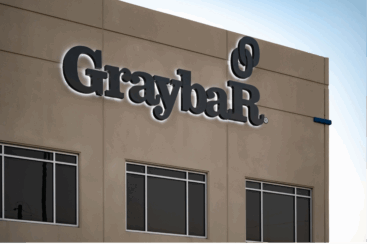
Pylon signs, also known as freestanding signs, are a versatile and impactful tool in outdoor advertising. These towering structures offer high visibility and are often used by businesses to attract customers from afar, convey brand messages, and guide visitors. The manufacturing of pylon signs requires precision, expertise, and an understanding of various materials and design elements. This article delves into the intricacies of expert pylon sign manufacturing solutions, discussing the materials used, design considerations, manufacturing processes, and installation techniques.
Understanding Pylon Sign Materials
The choice of materials plays a crucial role in the durability and effectiveness of pylon signs. Here are some commonly used materials:
- Aluminum: Known for its corrosion resistance and lightweight properties, aluminum is a popular choice for the structure and panels of pylon signs.
- Steel: This material provides robustness and durability, especially for the frames and support structures of larger signs.
- Acrylic and Polycarbonate: These materials are often used for the sign faces due to their clarity and ability to withstand the elements.
- Vinyl: Used for lettering and graphics, vinyl offers versatility in design and color application.
To explore further insights into the materials used in pylon sign manufacturing, find additional information here.
Design Considerations for Pylon Signs
The design of a pylon sign is crucial in ensuring that it effectively communicates the intended message. Several factors must be taken into account, including:
- Visibility: The height and placement of the sign should ensure maximum visibility from different angles and distances.
- Readability: The use of fonts, colors, and lighting should enhance the readability of the sign, even from a distance.
- Brand Consistency: The design should align with the brand?s visual identity and messaging.
- Local Regulations: Compliance with any zoning laws or sign regulations in the area is essential to avoid legal issues.
For a detailed guide on designing effective pylon signs, read more about this topic.
Manufacturing Processes
The manufacturing of pylon signs involves several key processes that ensure quality and precision:
Fabrication
Fabrication involves creating the structural components of the sign, including the frame and support elements. Techniques such as welding, cutting, and bending are commonly used to shape the materials into the desired form.
Graphic Application
This process involves applying graphics, logos, and text to the sign face. Advanced printing technologies and vinyl cutting methods are employed to achieve high-quality visuals.
Assembly
Once all components are fabricated, they are assembled into the complete sign. This step requires meticulous attention to detail to ensure all parts fit together seamlessly.
Learn more in this detailed guide on the manufacturing processes involved in creating pylon signs by visiting this link.
Installation Techniques
Proper installation is crucial for the stability and longevity of pylon signs. Installation involves:
- Site Survey: Assessing the site to determine the best location and method for installation.
- Foundation Work: Installing a sturdy foundation, often involving concrete footings, to support the sign.
- Structural Assembly: Erecting the sign structure and ensuring it is securely anchored.
- Final Adjustments: Making any necessary adjustments to ensure the sign is level and stable.
For additional details on installation techniques for pylon signs, explore further insights here.
In conclusion, expert pylon sign manufacturing involves a comprehensive understanding of materials, design, manufacturing processes, and installation techniques. By ensuring each aspect is executed with precision and expertise, businesses can create impactful signage that enhances visibility and reinforces their brand presence. For more information on pylon sign solutions, visit this comprehensive resource.
About the Author


