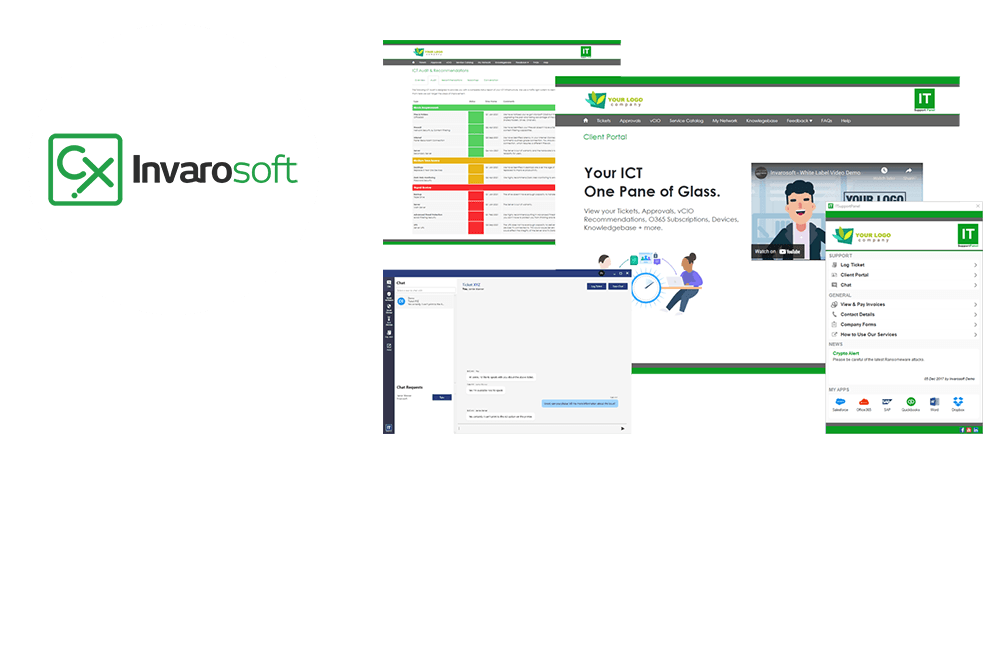
In today’s fast-paced digital landscape, organizations continuously seek ways to optimize operations and improve client satisfaction. A pivotal component in this pursuit is the adoption of a robust service delivery platform. Such platforms play a crucial role in streamlining processes, enhancing communication, and ultimately fostering a higher level of service delivery. By integrating various functions under one umbrella, companies can minimize inefficiencies and focus on core business objectives, paving the way for sustained growth and client success.
The Core Functions of a Service Delivery Platform
A service delivery platform serves as a comprehensive solution that integrates various operational functions, driving efficiency and productivity. Key components include:
- Automation: Automating repetitive tasks reduces manual effort, decreases the likelihood of errors, and frees up resources for more strategic initiatives.
- Unified Communication: By centralizing communication, a service delivery platform ensures consistent messaging across all channels, enhancing client interactions.
- Resource Management: Efficient allocation and tracking of resources help in optimizing workflows and meeting client demands promptly.
- Data Analytics: Leveraging data-driven insights allows organizations to make informed decisions and tailor services to meet client needs effectively.
Enhancing Client Success
The integration of a client success platform within the service delivery framework can significantly enhance client relations and satisfaction. Such a platform focuses on:
- Personalized Client Engagement: Customized interactions based on client data foster stronger relationships and drive loyalty.
- Proactive Support: Anticipating client needs and issues before they arise ensures timely and effective resolutions.
- Feedback Mechanisms: Continuous improvement is facilitated by gathering and analyzing client feedback to refine services.
- Performance Tracking: Monitoring client engagement metrics helps in understanding service impact and areas for enhancement.
Implementing a Service Delivery Platform
Strategic Planning and Alignment
Successful implementation begins with strategic planning. Organizations must align the platform’s capabilities with their specific objectives and operational requirements. Key steps include:
- Needs Assessment: Identifying the unique needs and challenges the platform should address within the organization.
- Stakeholder Engagement: Involving key stakeholders from various departments ensures a collaborative approach and smooth integration.
- Customization: Tailoring the platform to fit organizational processes enhances its effectiveness and adoption.
Training and Adoption
Comprehensive training programs are essential for ensuring all team members are proficient in using the new platform. This involves:
- Role-based Training: Providing specific training based on user roles enhances understanding and efficiency.
- Support Resources: Making ongoing support and resources available encourages continued learning and troubleshooting.
Measuring the Impact
Once implemented, measuring the platform’s impact is crucial to assess its success and make necessary adjustments. Key performance indicators may include:
- Reduction in Service Delivery Time: Monitoring time savings achieved through streamlined processes.
- Client Satisfaction Scores: Gauging improvements in client feedback and satisfaction levels.
- Operational Cost Savings: Evaluating cost reductions associated with increased efficiency.
In summary, a well-implemented service delivery platform serves as a cornerstone for organizational efficiency and client success. With careful planning, execution, and continuous evaluation, such platforms can greatly enhance operational capabilities and drive significant positive outcomes.
About the Author


