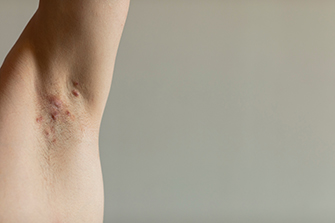
Hidradenitis Suppurativa (HS) is a chronic skin condition characterized by painful nodules and abscesses, primarily affecting areas bearing sweat glands. Despite its prevalence, HS remains an under-researched area, leading to significant gaps in understanding and treatment approaches. Recent advancements in research have begun to shed light on this condition, offering hope for improved management strategies and patient outcomes. This article explores the impact of ongoing research in HS, highlighting key developments and their potential implications for those affected by this challenging condition.
Understanding Hidradenitis Suppurativa
Hidradenitis Suppurativa manifests as recurrent, inflamed nodules and abscesses that can lead to severe discomfort and scarring. While the exact cause remains elusive, factors such as genetics, immune system dysfunction, and environmental influences are believed to play a role. This complexity underscores the necessity of comprehensive research to unravel the underlying mechanisms and develop effective treatments.
Current Research Focus
Recent studies have concentrated on various aspects of HS, including:
- Genetic Investigations: Research is delving into genetic predispositions that may contribute to HS, aiming to identify specific genetic markers that could facilitate early diagnosis and personalized treatment plans.
- Microbiome Studies: The skin microbiome’s role in HS is a burgeoning field of study, with researchers exploring how alterations in microbial communities might influence disease progression.
- Immune System Pathways: Investigations are underway to understand immune system dysregulation in HS, which could lead to innovative therapeutic targets. Discover expert strategies here.
Advancements in Treatment Options
As research progresses, new treatment avenues are emerging. These include:
- Biologic Therapies: Targeting specific immune pathways, biologic drugs offer a promising option for those with moderate to severe HS. Clinical trials are ongoing to ascertain their efficacy and safety.
- Laser and Surgical Interventions: Advances in laser technology and surgical techniques are providing additional tools for managing HS symptoms and complications. Learn about our tailored solutions.
- Lifestyle Modifications: Emerging research suggests that lifestyle changes, such as dietary adjustments and stress management, may play a supportive role in alleviating HS symptoms. Explore advanced guides and tips.
Impact on Patient Quality of Life
The ultimate goal of HS research is to enhance the quality of life for those affected. By expanding treatment options and improving disease understanding, patients can experience:
- Improved Symptom Management: Tailored treatments offer the potential for more effective symptom control, reducing flare-ups and associated pain.
- Reduced Psychological Burden: HS can significantly impact mental health. Advances in treatment and support strategies aim to alleviate the psychological strain on patients.
- Enhanced Support Networks: Increasing awareness and understanding of HS fosters stronger community and healthcare provider support, empowering patients in their journey. Find out more about this approach.
Conclusion
The landscape of Hidradenitis Suppurativa research is evolving, with significant strides being made in understanding and treating this complex condition. As scientific inquiry continues to unlock new insights, the hope is to transform HS management, ultimately improving the lives of those affected. Through ongoing research and collaboration among experts, there is optimism for a future where HS is more effectively understood and managed.
About the Author


