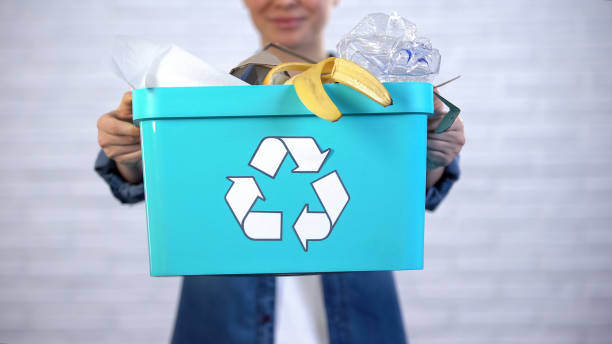
Efficient organic waste handling is a crucial aspect of sustainable environmental management, given the increasing global focus on reducing landfill reliance and enhancing recycling efforts. Proper management of organic waste not only minimizes environmental impact but also offers economic benefits through the conversion of waste into valuable resources. This guide explores effective techniques for handling organic waste, providing insights into methods that enhance sustainability and efficiency.
Understanding Organic Waste
Organic waste primarily consists of materials that can decompose naturally, such as food scraps, yard debris, and agricultural byproducts. Efficient handling of such waste is vital for reducing methane emissions from landfills and for promoting a circular economy.
Techniques for Efficient Organic Waste Management
1. Composting
Composting is a popular method that involves the biological decomposition of organic materials into nutrient-rich soil amendments. It can be performed on various scales, from residential yard composting to industrial facilities.
- Home Composting: Utilizes small-scale systems like compost bins or heaps to manage kitchen waste.
- Community Composting: Engages local communities in collective composting efforts, often supported by municipalities.
- Industrial Composting: Involves large-scale operations that process significant volumes of organic waste.
For more detailed composting strategies, discover expert strategies here.
2. Anaerobic Digestion
Anaerobic digestion is a process that breaks down organic matter in the absence of oxygen, producing biogas and digestate. Biogas can be used as a renewable energy source, while digestate serves as a fertilizer.
- Biogas Production: Converts organic waste into methane-rich gas for electricity or heating.
- Digestate Utilization: Provides a sustainable alternative to chemical fertilizers.
Learn about our tailored solutions for implementing anaerobic digestion systems.
3. Vermicomposting
Vermicomposting employs worms to accelerate the decomposition of organic waste, resulting in high-quality compost. This method is particularly effective for managing food scraps and can be easily adapted for home use.
- Red Wigglers: Commonly used worm species that efficiently process organic matter.
- Vermicompost Benefits: Produces nutrient-rich compost that enhances soil health.
Explore advanced guides and tips on setting up vermicomposting systems.
Key Considerations for Effective Organic Waste Handling
Separation and Collection
Proper separation of organic waste from non-organic materials is critical for the efficiency of any waste management system. Implementing effective collection practices ensures that organic waste is directed to appropriate processing facilities.
- Source Separation: Encourages households and businesses to sort waste at the source.
- Collection Systems: Employs specialized bins and frequent pickup schedules to enhance efficiency.
Find out more about this approach to improving waste collection and separation.
Regulatory Compliance
Adhering to local and national regulations is essential for any organic waste management initiative. Compliance ensures that operations meet environmental standards and avoid legal issues.
- Licensing and Permits: Necessary for large-scale operations and facility management.
- Environmental Standards: Guidelines to minimize the ecological footprint of waste processing.
Conclusion
Efficient organic waste handling is integral to advancing sustainable practices and reducing environmental impact. Through methods such as composting, anaerobic digestion, and vermicomposting, significant strides can be made in transforming waste into valuable resources. By considering factors such as separation, collection, and regulatory compliance, communities and businesses can optimize their waste management strategies. For further information on implementing these methods and enhancing sustainability, explore the available resources and expert guidance.
About the Author


