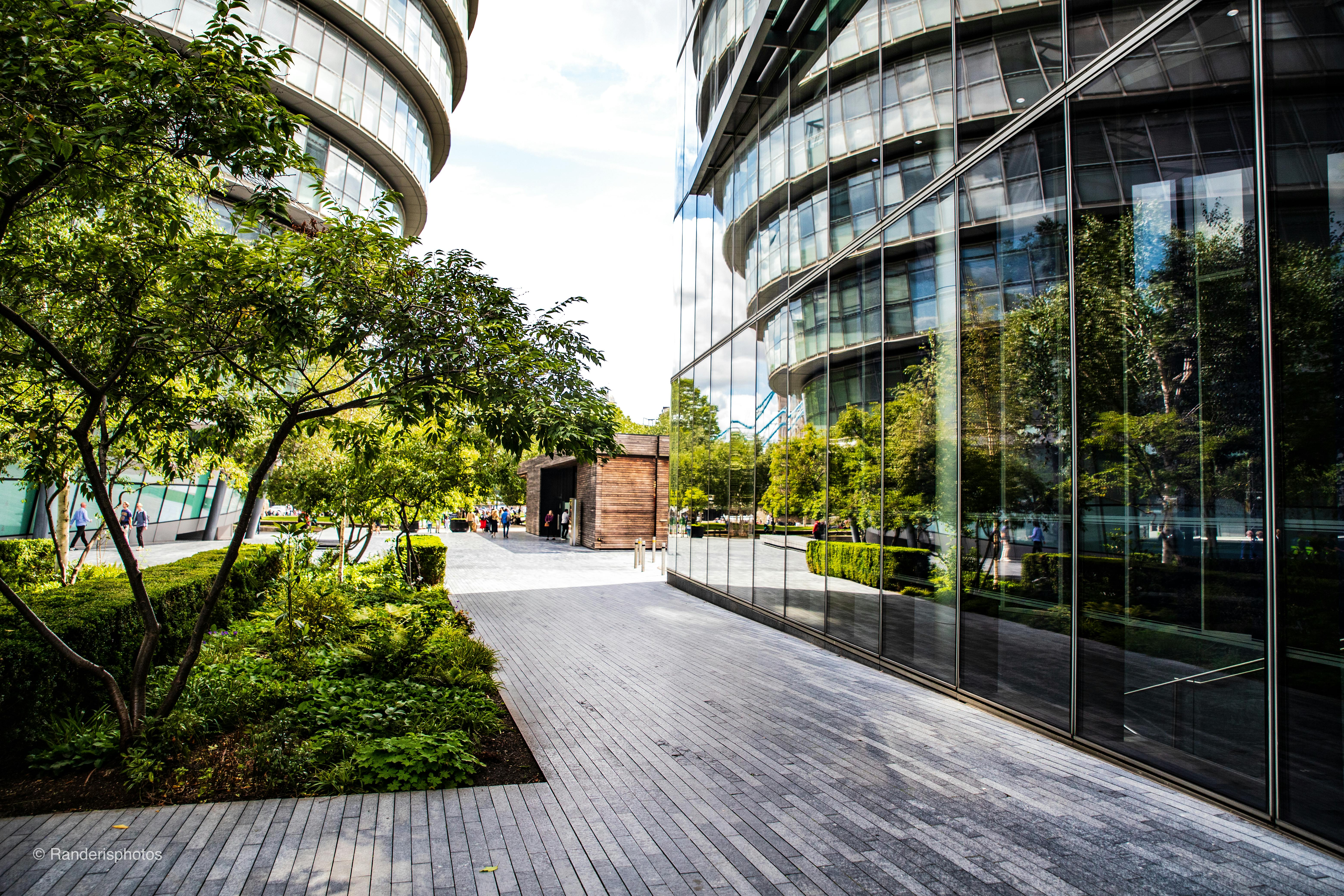
In an era where environmental consciousness is paramount, the construction industry is embracing sustainable practices to minimize ecological impact. Sustainable construction not only benefits the environment but can also prove economically advantageous. Implementing cost-effective strategies for sustainable construction is crucial for modern builders looking to balance environmental responsibility with financial viability. This article explores the essential strategies that can be adopted to achieve sustainable construction without incurring prohibitive costs.
Utilizing Sustainable Materials
One of the primary steps towards sustainable construction is the selection of eco-friendly building materials. These materials are not only environmentally sustainable but can also be cost-effective in the long run. Key materials include:
- Recycled Steel: An excellent choice for structural elements, offering durability and recyclability.
- Bamboo: A rapidly renewable resource, perfect for flooring and paneling.
- Reclaimed Wood: Offers character and reduces the need for new timber.
By incorporating these materials, builders can reduce waste and decrease the carbon footprint associated with new construction projects. Discover expert strategies here to further enhance sustainable practices.
Energy-Efficient Designs
Energy efficiency is at the core of sustainable construction. Implementing energy-efficient designs can significantly reduce operational costs over a building’s lifecycle. Key strategies include:
- Passive Solar Design: Maximizes natural light and heat, reducing reliance on artificial heating and lighting.
- High-Performance Insulation: Ensures thermal efficiency, reducing heating and cooling costs.
- Energy-Efficient Appliances: Lower energy consumption with modern, efficient systems.
These designs not only reduce the environmental impact but also provide long-term financial savings. Explore advanced guides and tips on implementing energy-efficient solutions.
Water Conservation Practices
Water conservation is another critical aspect of sustainable construction. Implementing water-saving techniques can lead to significant cost savings. Consider the following strategies:
- Low-Flow Fixtures: Reduce water usage without compromising performance.
- Rainwater Harvesting Systems: Collect and utilize rainwater for non-potable uses.
- Greywater Recycling Systems: Reuse water from sinks and showers for irrigation or flushing toilets.
These practices ensure efficient water usage and contribute to a project’s overall sustainability. Learn about our tailored solutions for water conservation.
Waste Reduction Techniques
Reducing waste is essential for sustainable construction. By minimizing waste, builders can lower disposal costs and environmental impact. Effective waste reduction techniques include:
- Modular Construction: Prefabricated components reduce on-site waste and construction time.
- Recycling Construction Debris: Segregating and reusing materials like concrete and bricks.
- Deconstruction Instead of Demolition: Carefully dismantling structures to salvage reusable components.
Implementing these techniques supports a circular economy and promotes sustainable development. Find out more about this approach for reducing construction waste.
Conclusion
Adopting cost-effective strategies for sustainable construction is imperative for the future of the building industry. By selecting sustainable materials, designing energy-efficient buildings, conserving water, and reducing waste, developers can create environmentally responsible and financially viable projects. These strategies not only align with global sustainability goals but also offer long-term economic benefits. To delve deeper into sustainable construction practices, learn about our tailored solutions and explore the wealth of resources available.
About the Author


