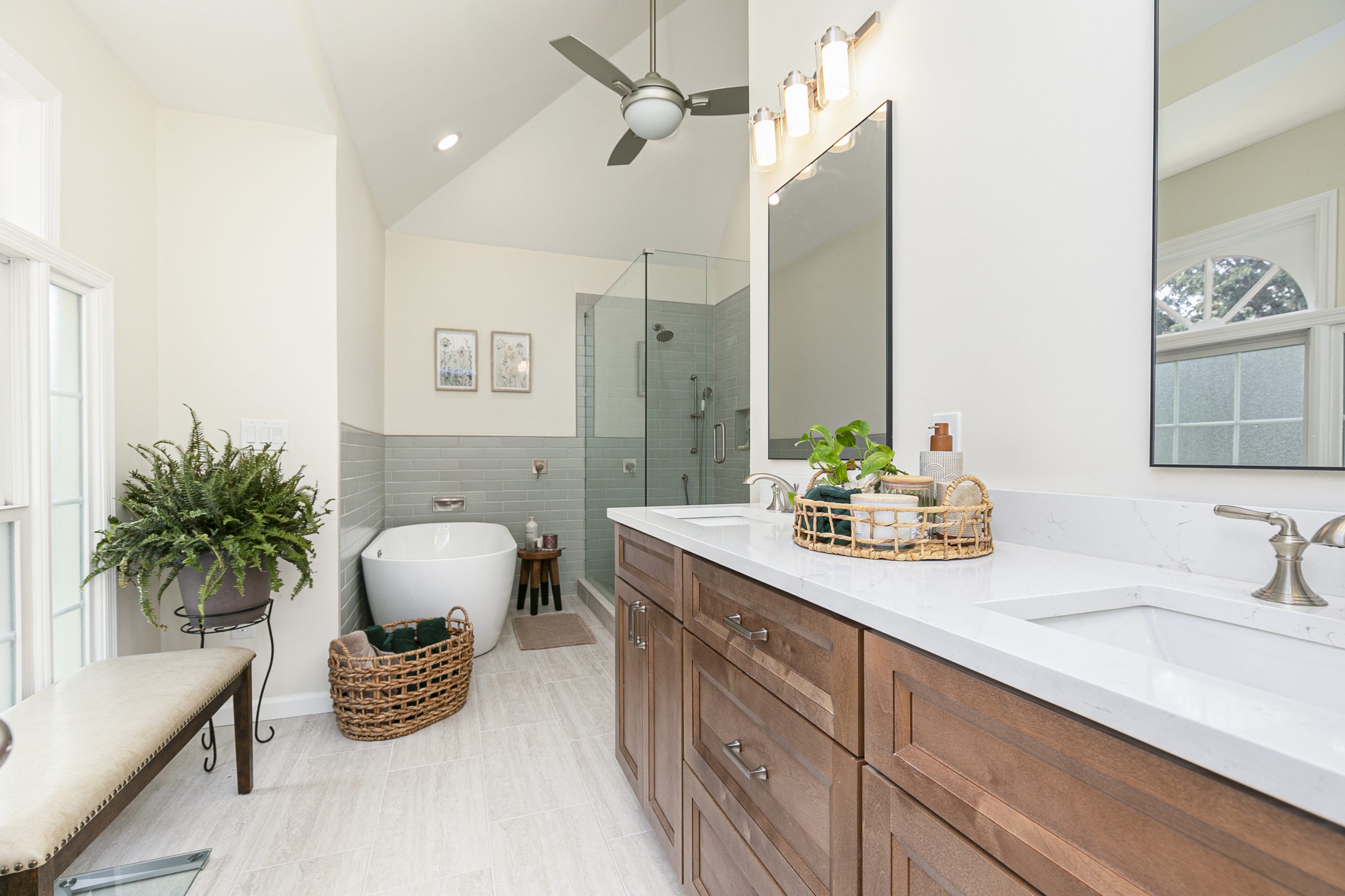
The process of home renovation can be daunting and overwhelming, especially when faced with the complexities of coordinating between designers, contractors, and suppliers. The design-build approach presents a streamlined solution that integrates these elements into a single, cohesive process. This method not only simplifies communication but also enhances efficiency, ensuring that the renovation project progresses smoothly from conception to completion. By eliminating the traditional silos between design and construction, homeowners can expect a more seamless experience, with fewer disruptions and greater satisfaction with the final outcome.
Understanding the Design-Build Approach
The design-build approach combines the roles of designer and contractor into one unified entity. This method diverges from the traditional design-bid-build approach, where the homeowner would have to separately hire a designer and a contractor. Instead, the design-build model offers:
- Single Point of Responsibility: With one entity responsible for both design and construction, accountability is streamlined, reducing the potential for miscommunication.
- Cost Efficiency: The integration of design and construction teams can lead to cost savings through more efficient project management and reduction of changes or delays.
- Time Savings: Projects often progress faster as the design and construction phases can overlap, minimizing downtime.
- Enhanced Collaboration: The cohesive team environment promotes innovation and problem-solving, ensuring high-quality results.
The Benefits of Seamless Home Renovation
Homeowners opting for the design-build approach can enjoy a variety of benefits that contribute to a smoother renovation process. These include:
- Improved Communication: Direct communication channels between the homeowner and the unified design-build team facilitate better understanding and alignment of project goals.
- Increased Flexibility: This approach allows for adjustments to be made more readily, accommodating changes in design preferences or unforeseen challenges.
- Consistent Quality: A single team ensures that the quality of work is consistent throughout all phases of the project.
For those interested in exploring the full potential of this approach, find out more about this approach and how it can transform your home renovation experience.
Implementing the Design-Build Approach
Choosing the Right Team
Selecting a design-build team requires careful consideration to ensure a successful renovation. Important factors to evaluate include:
- Experience and Expertise: Ensure that the team has a proven track record in managing projects similar to yours.
- Clear Communication: The team should prioritize open and ongoing communication to keep you informed and involved at every stage.
- References and Reviews: Past client testimonials and reviews can provide insights into the team’s reliability and quality of work.
Discover expert strategies here to help you make an informed decision when selecting a team.
Planning and Design
The planning and design phase is crucial for setting the foundation for a successful renovation. Key steps include:
- Initial Consultation: This phase involves discussing your vision, budget, and timeline with the design-build team.
- Design Development: The team will create detailed designs and plans, incorporating your feedback to ensure alignment with your vision.
- Budgeting and Scheduling: Establishing a realistic budget and timeline is essential to keep the project on track.
Learn about our tailored solutions here for an effective planning and design strategy.
Construction and Completion
With a solid plan in place, the construction phase can begin. The design-build approach ensures that:
- Consistent Oversight: The team manages every aspect of construction, from materials procurement to quality assurance.
- Regular Updates: Homeowners receive consistent updates on progress, maintaining transparency throughout the project.
- Final Walk-through: Upon completion, a thorough review ensures that all aspects of the project meet the agreed specifications.
Explore advanced guides and tips here to ensure a smooth transition from construction to completion.
About the Author


