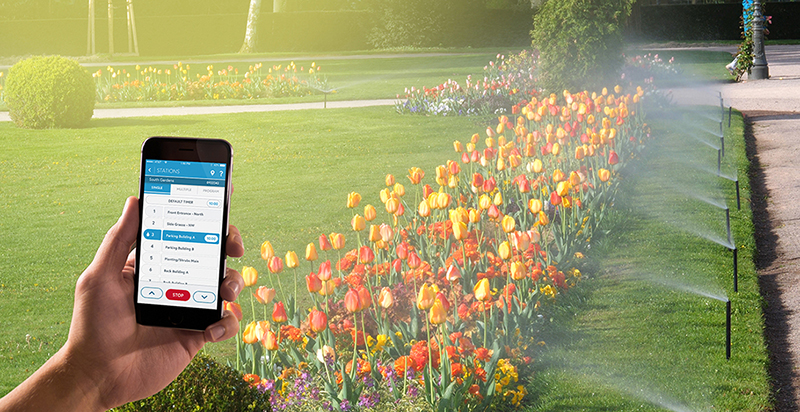
Watering gardens and landscapes efficiently has evolved significantly from traditional methods, thanks to technological advancements. A key innovation in this domain is the remote control irrigation controller. This modern solution offers a seamless way to maintain lush, green landscapes with minimal effort. These controllers are designed to optimize water usage, ensuring that plants receive the right amount of water at the right time, while reducing waste and lowering utility costs. As environmental awareness increases, such intelligent systems are becoming increasingly popular among homeowners and professional landscapers alike.
Understanding Remote Control Irrigation Controllers
Remote control irrigation controllers are sophisticated devices that allow users to manage and monitor their watering systems from anywhere. This innovative tool integrates with smart technology, enabling users to control irrigation schedules through a smartphone, tablet, or computer.
Features of Remote Control Irrigation Controllers
- Access from Anywhere: Users can control their irrigation systems regardless of their location, provided they have internet connectivity.
- Weather-based Adjustments: The system can automatically adjust watering schedules based on real-time weather data, preventing overwatering or underwatering.
- Customizable Schedules: Users can set specific watering times and durations tailored to the needs of different plants or areas.
- Water Usage Monitoring: The system tracks water usage, helping identify potential leaks or inefficiencies.
- Integration with Smart Home Systems: Many controllers can be integrated with existing smart home ecosystems for unified control.
Benefits of Using Remote Control Irrigation Controllers
Implementing a remote control irrigation controller offers numerous advantages, making it an attractive option for both residential and commercial landscapes.
Water Conservation
One of the most significant benefits of using a remote control irrigation controller is its contribution to water conservation. By utilizing weather data and soil moisture levels, these systems irrigate only when necessary, avoiding the excessive use of water. This not only conserves a vital resource but also supports sustainable landscaping practices.
Cost Savings
Reducing water usage directly translates into lower utility bills. Additionally, the ability to detect leaks or inefficiencies early can prevent costly water waste. Over time, these savings can offset the initial investment in the technology.
Enhanced Plant Health
Consistent and appropriate watering schedules support optimal plant health. By ensuring plants get the right amount of water, remote control irrigation controllers help prevent common issues such as root rot or dehydration, leading to more vibrant and robust landscapes.
Convenience and Flexibility
The ability to manage irrigation systems remotely provides unparalleled convenience. Whether traveling or tied up with other commitments, users can ensure their landscapes are adequately watered. This flexibility is particularly beneficial for those managing multiple properties or large estates.
Implementing a Remote Control Irrigation System
Integrating a remote control irrigation controller into an existing landscape involves selecting the right system, installation, and configuration. Here are some steps to consider:
- Assessment: Evaluate the landscape’s needs and current irrigation setup to determine compatibility and requirements.
- Selection: Choose a controller that meets the specific needs of the landscape and integrates well with existing systems.
- Installation: Professional installation ensures that the system is set up correctly and functions optimally.
- Configuration: Configure schedules and settings according to the landscape’s unique requirements, leveraging the system’s smart features for optimal performance.
Conclusion
The adoption of a remote control irrigation controller represents a step forward in landscape management. With benefits ranging from water conservation to enhanced plant health, these systems offer a smart, efficient solution for modern irrigation needs. As technology continues to evolve, embracing such innovations can lead to more sustainable and manageable landscaping practices.
About the Author


