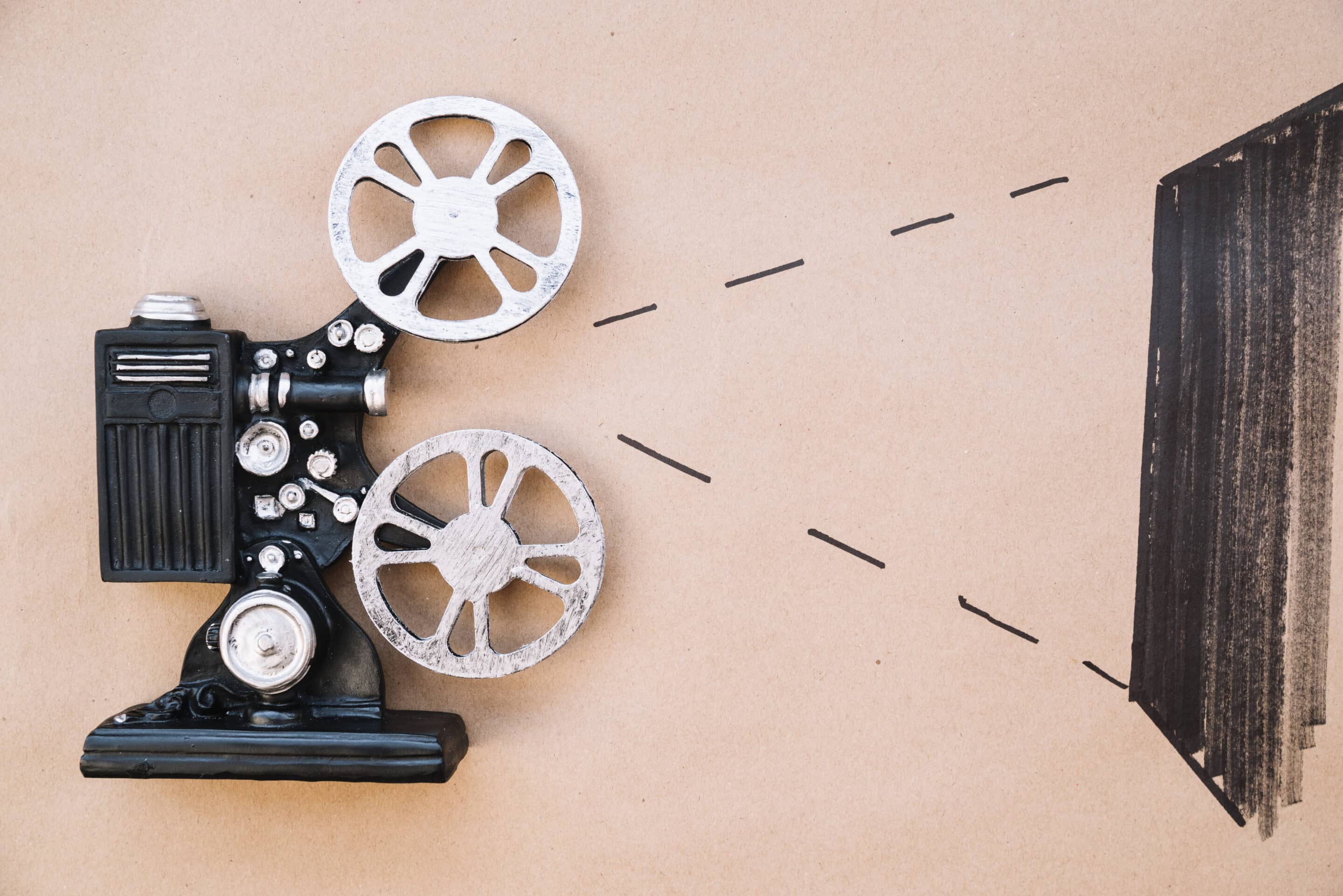
In the modern digital age, preserving memories and historical footage has become increasingly important. Film to video transfer services play a crucial role in ensuring that cherished moments captured on film are not lost to time. These services provide a bridge between the past and the present, converting old films into accessible digital formats. This transformation not only safeguards valuable content but also enhances its accessibility, allowing for easier sharing and editing. As more individuals and organizations recognize the importance of digitizing their media collections, understanding the nuances and benefits of film to video transfer becomes essential.
The Importance of Film to Video Transfer
Films degrade over time. Factors such as temperature, humidity, and exposure to light can accelerate the deterioration process. As films age, they become more fragile and susceptible to damage, making it imperative to transfer them to a more stable format. Video transfer services offer a solution by converting films into digital formats that are less prone to decay.
- Preservation: Digital formats are more durable and less susceptible to environmental damage.
- Accessibility: Digital files can be easily accessed, shared, and edited without risking damage to the original film.
- Quality Enhancement: Advanced technologies can improve the quality of the original footage during the transfer process.
For those looking to explore advanced guides and tips on preserving their media, film to video transfer is an invaluable step.
Understanding the Process
The process of transferring film to video involves several meticulous steps to ensure high-quality results. Each stage requires expertise and precision to maintain the integrity of the original footage.
Inspection and Cleaning
Before starting the transfer, films are carefully inspected for any damage. Cleaning is an essential part of the process, as dust and dirt can affect the quality of the digital transfer. Special solutions and tools are used to gently clean the film without causing harm.
Digitization and Conversion
During the digitization process, the film is converted into a digital format using specialized equipment. This step involves capturing the film frame by frame to ensure the highest quality transfer. Depending on the condition and type of film, different techniques may be employed.
Those interested in the intricacies of this process can discover expert strategies here for achieving the best results.
Editing and Restoration
Once digitized, the footage can be edited and restored. This includes removing scratches, enhancing color, and improving audio quality. Professional video transfer services have access to advanced software and tools that facilitate this restoration process.
Benefits of Professional Transfer Services
While it might be tempting to attempt a DIY transfer, professional services offer numerous advantages that ensure the highest quality outcome.
- Expertise: Professionals have the experience and knowledge to handle various types of film and address any issues that may arise.
- Advanced Equipment: Access to state-of-the-art equipment that guarantees superior quality transfers.
- Custom Solutions: Tailored services that meet specific needs, such as format preferences and restoration requirements.
To learn about tailored solutions and how they can enhance personal or organizational media collections, consulting with experts is invaluable.
Conclusion
In conclusion, film to video transfer services provide an essential means of preserving valuable footage for future generations. By converting films to digital formats, individuals and organizations can protect their media collections from deterioration, enhance their accessibility, and even improve their quality. For anyone interested in safeguarding their memories or historical footage, exploring professional transfer services is a prudent choice. Find out more about this approach to ensure that valuable visual content is preserved and cherished for years to come.
About the Author


