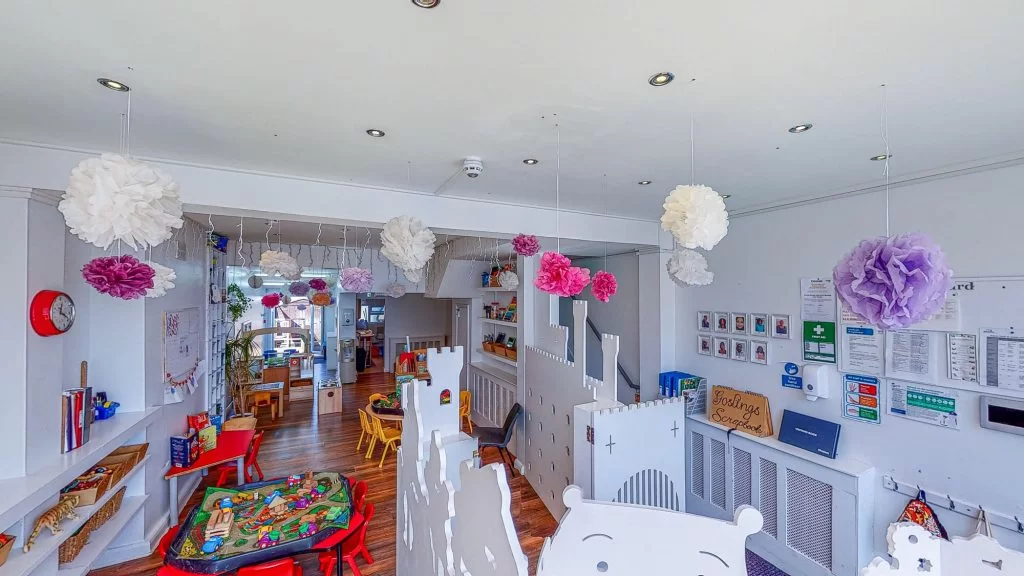
Child development is an intricate process that involves the physical, emotional, and cognitive growth of children from infancy through adolescence. This crucial phase lays the foundation for lifelong learning, behavior, and health. Special programs designed to enhance child development can play a critical role in nurturing these aspects, providing children with the skills and support they need to thrive. In recent years, there has been a growing awareness of the importance of structured programs that cater to the varying needs of children. These programs are tailored to support diverse developmental stages and cater to individual learning styles, ensuring each child reaches their full potential.
Understanding Child Development Stages
To effectively enhance child development, it is essential to understand the various stages of growth and the corresponding needs and challenges that accompany them. The three primary stages include:
- Infancy (0-2 years): Focuses on sensory experiences and motor skills. Infants learn through interactions with their environment.
- Early Childhood (3-6 years): Characterized by rapid language development, social skills, and imaginative play.
- Middle Childhood (7-12 years): Involves cognitive development, mastery of skills, and the formation of peer relationships.
Special programs can be tailored to each of these stages, providing targeted activities and interventions. Discover expert strategies here for creating age-appropriate learning experiences.
The Role of Special Programs in Child Development
Special programs offer a structured approach to child development, addressing unique needs and fostering a supportive environment. These programs typically focus on:
1. Cognitive Development
Programs aimed at enhancing cognitive skills often include activities that stimulate problem-solving and critical thinking. For example:
- Interactive games that promote logical reasoning.
- Storytelling sessions to enhance language and comprehension skills.
- Memory exercises to improve focus and retention.
Explore advanced guides and tips on integrating cognitive development activities into daily routines.
2. Emotional and Social Growth
Emotional and social competencies are foundational for well-rounded development. Special programs often include:
- Group activities that encourage teamwork and cooperation.
- Role-playing scenarios to develop empathy and understanding.
- Mindfulness exercises to enhance emotional regulation.
Find out more about this approach to nurturing emotional intelligence in children.
3. Physical Development
Physical activities are crucial for developing motor skills and overall health. Programs may include:
- Outdoor play to boost coordination and fitness.
- Fine motor skill exercises, such as drawing or building blocks.
- Structured sports to improve agility and teamwork.
Learn about our tailored solutions for incorporating physical development into child-centric programs.
Implementing Special Programs in Educational Settings
Incorporating special programs into educational settings requires careful planning and collaboration between educators, parents, and child development specialists. Key considerations include:
- Assessing individual child needs to customize program elements.
- Creating an inclusive environment that respects diverse abilities and backgrounds.
- Continuously evaluating program effectiveness and making necessary adjustments.
For insights on implementing effective child development programs, discover expert strategies here.
Conclusion
Special programs are instrumental in fostering the holistic development of children. By understanding developmental stages and incorporating targeted interventions, such programs can significantly impact a child’s growth trajectory. As society continues to recognize the importance of these programs, ongoing research and collaboration will be key to refining approaches and ensuring that every child has the opportunity to achieve their fullest potential. Educational institutions, caregivers, and communities must work together to create nurturing environments that support diverse developmental needs.
About the Author