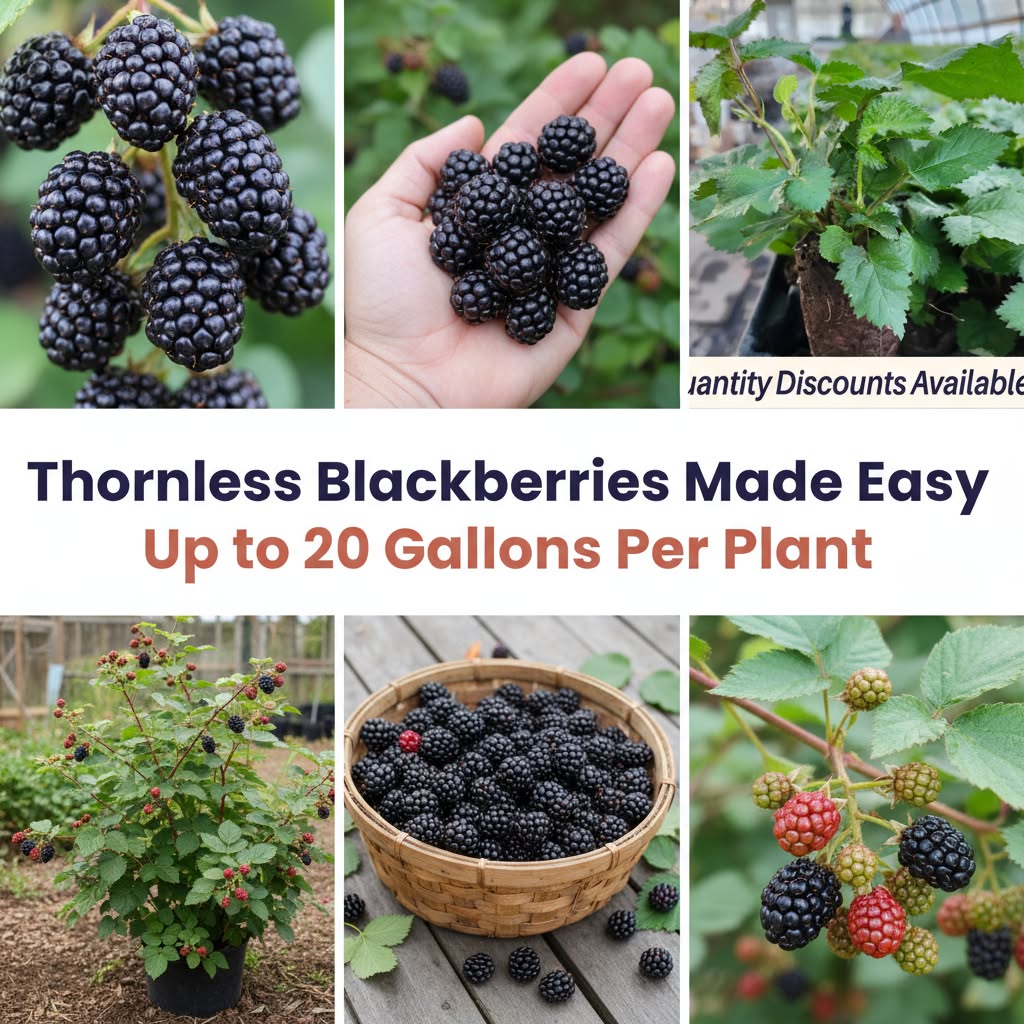
Finding high-quality thornless blackberry plants for sale can be a rewarding pursuit for gardening enthusiasts and commercial growers alike. These plants offer the dual benefits of luscious, sweet berries and an ease of handling, thanks to the absence of thorns. With numerous varieties and suppliers available, making informed decisions can greatly enhance the success and enjoyment of growing these remarkable plants. This article delves into the essential steps and considerations for sourcing top-notch thornless blackberry plants, ensuring a fruitful investment for the future.
Understanding Thornless Blackberry Varieties
Before embarking on the purchase of thornless blackberry plants, it is critical to understand the different varieties available. This knowledge will help in selecting plants that align with specific needs and regional conditions.
- Navaho: Known for its erect growth habit and excellent fruit quality, the Navaho is a popular choice for many growers.
- Arapaho: This early-bearing variety is appreciated for its sweet taste and disease resistance.
- Apache: Featuring large berries, the Apache variety is prized for its productivity and ease of harvest.
Researching Reputable Suppliers
Finding a reputable supplier is crucial to ensuring the quality of thornless blackberry plants. Here are some strategies to consider:
Check Supplier Credentials
Look for suppliers with a proven track record in providing high-quality plants. Reputable nurseries often have certifications or affiliations with horticultural societies, demonstrating their commitment to quality and best practices.
To aid in your search, you can discover expert strategies here for evaluating supplier credentials and understanding industry standards.
Read Customer Reviews
Customer reviews are an invaluable resource when assessing potential suppliers. Look for feedback regarding plant health, customer service, and delivery efficiency. Positive reviews can offer assurance of a supplier’s reliability.
Evaluating Plant Quality
When assessing thornless blackberry plants, several factors should be considered to ensure high quality:
- Healthy Roots: Check for robust, well-developed root systems free from rot or damage.
- Vigorous Growth: Plants should exhibit strong, healthy growth with no signs of disease or pest damage.
- True to Type: Ensure that the plant variety matches the label, as mislabeled plants can lead to unexpected results.
For more detailed guidelines on evaluating plant quality, learn about our tailored solutions that can assist in making informed decisions.
Considering Regional Climate and Soil Conditions
Successful cultivation of thornless blackberry plants is heavily influenced by regional climate and soil conditions. Understanding these factors can help in selecting varieties that will thrive in a particular environment.
- Climate Compatibility: Choose varieties that are well suited to local climatic conditions to ensure optimal growth and fruit production.
- Soil Requirements: Blackberry plants prefer well-drained, fertile soil. Conduct a soil test to determine if amendments are necessary to meet these conditions.
To explore advanced guides and tips on optimizing growing conditions, consider the specific needs of the selected variety.
Timing Your Purchase
The timing of your purchase can significantly impact the establishment and growth of thornless blackberry plants. Consider these factors:
- Seasonal Planting: Early spring or late fall are ideal times for planting, allowing plants to establish roots before extreme weather conditions.
- Pre-order Options: Some suppliers offer pre-order options, ensuring availability of desired varieties when planting season arrives.
For more insights on timing your plant purchase, find out more about this approach and maximize your planting success.
In conclusion, finding high-quality thornless blackberry plants involves a combination of understanding varieties, researching suppliers, evaluating plant quality, considering regional conditions, and timing the purchase effectively. By following these guidelines, gardeners and growers can enjoy the bountiful rewards of cultivating these delicious and user-friendly plants.
About the Author


