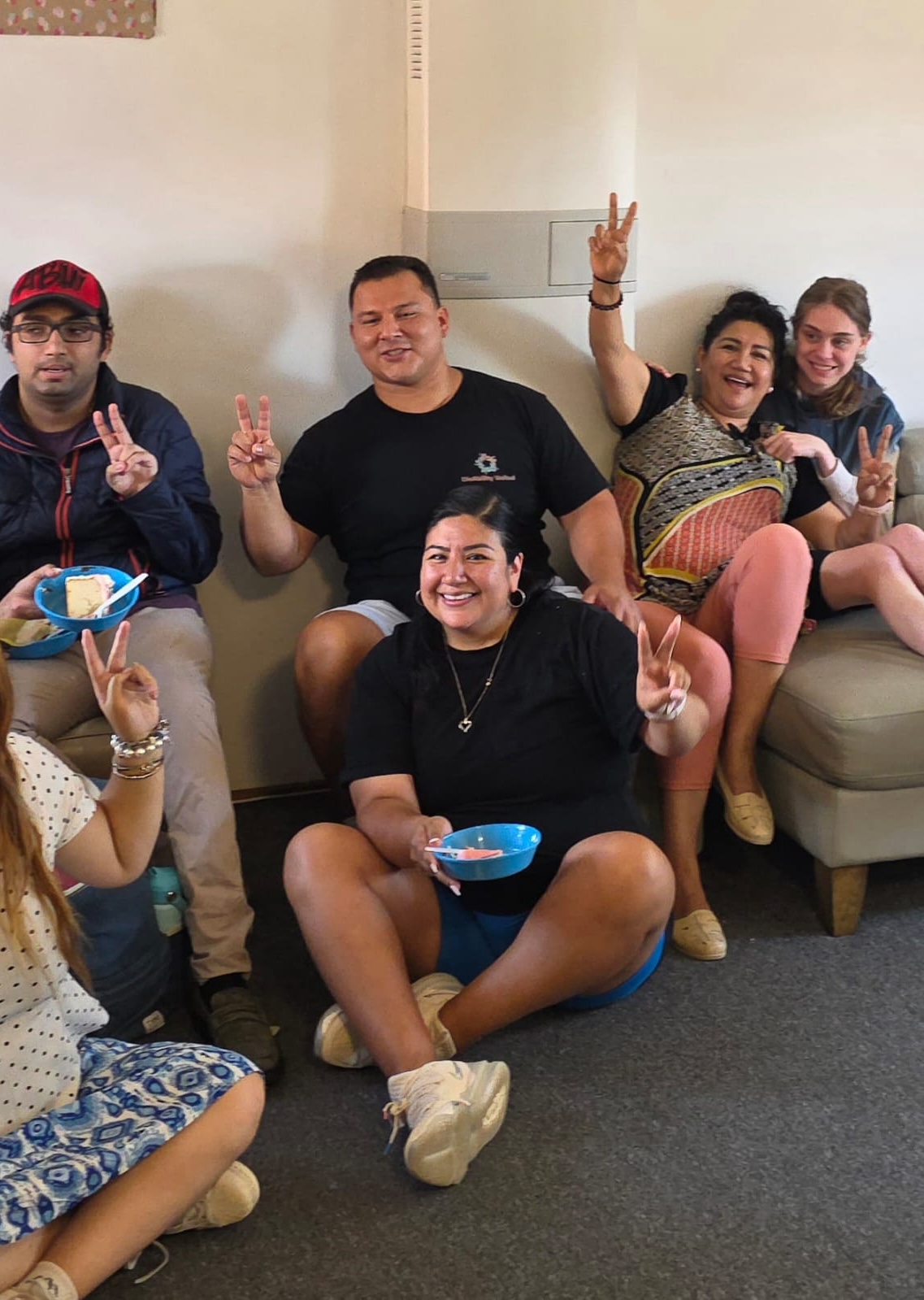
Individuals with disabilities often face unique challenges in their day-to-day lives. Support systems, such as the National Disability Insurance Scheme (NDIS) Day Programs, play a crucial role in empowering these individuals to lead more independent and fulfilling lives. By providing tailored activities and community engagement opportunities, these programs enhance the skills, confidence, and social connections of participants. The NDIS Day Program is designed to cater to the various needs of individuals, ensuring that everyone has access to the support necessary for personal growth and community integration.
Understanding NDIS Day Programs
NDIS Day Programs are specialized services aimed at providing individuals with disabilities a structured environment to develop essential life skills. These programs focus on several key areas:
- Skill Development: Participants engage in activities that enhance daily living skills, such as cooking, budgeting, and personal care.
- Social Interaction: Programs facilitate social engagement through group activities, promoting communication and collaboration.
- Community Participation: Through organized outings and community projects, individuals can connect with their local communities.
To gain a deeper understanding of how these programs operate and benefit individuals, one can learn about our tailored solutions which detail the various approaches employed.
The Importance of Personalized Support
Tailored Activities
Each participant in an NDIS Day Program has unique needs and preferences. Consequently, activities are tailored to align with personal goals and interests. This personalized approach ensures that individuals are engaged and motivated to participate actively. For more insights into how personalized support is structured, discover expert strategies here.
Holistic Development
The holistic development of participants is a core focus of NDIS Day Programs. By addressing physical, emotional, and cognitive needs, these programs promote overall well-being. Key components include:
- Physical Activities: Exercise and movement-based sessions to enhance physical health.
- Emotional Support: Counseling and group discussions to foster emotional resilience.
- Cognitive Stimulation: Problem-solving tasks and educational workshops to boost cognitive abilities.
Exploring how these elements are integrated can provide valuable insights. Explore advanced guides and tips to understand the methodologies used.
Community Engagement and Social Inclusion
Social inclusion is a vital aspect of NDIS Day Programs. Participants are encouraged to take part in community events and build meaningful relationships. This not only enhances social skills but also fosters a sense of belonging. Activities often include:
- Volunteering Opportunities: Participants can contribute to community projects, gaining a sense of purpose and connection.
- Cultural Events: Exposure to diverse cultures through festivals and community gatherings.
- Recreational Activities: Group outings to parks, theaters, and other leisure venues.
For those interested in how community engagement is facilitated, find out more about this approach to social inclusion strategies.
Empowerment Through Choice and Control
Empowerment is at the heart of NDIS Day Programs. By providing participants with choices and control over their activities, individuals can take charge of their development. Participants are encouraged to:
- Set Personal Goals: Define and pursue personal objectives with support from program facilitators.
- Choose Activities: Select activities that align with personal interests and aspirations.
- Provide Feedback: Share experiences and suggestions to improve program offerings.
This empowerment fosters independence and self-confidence, crucial for personal growth. For a comprehensive overview of how choice and control are integrated into the programs, learn about our tailored solutions.
In conclusion, NDIS Day Programs are instrumental in empowering individuals with disabilities. Through personalized support, community engagement, and the promotion of independence, participants are equipped with the skills and confidence needed to thrive in their communities. These programs reflect a commitment to enhancing the lives of individuals, providing them with the tools to achieve their full potential.
About the Author


