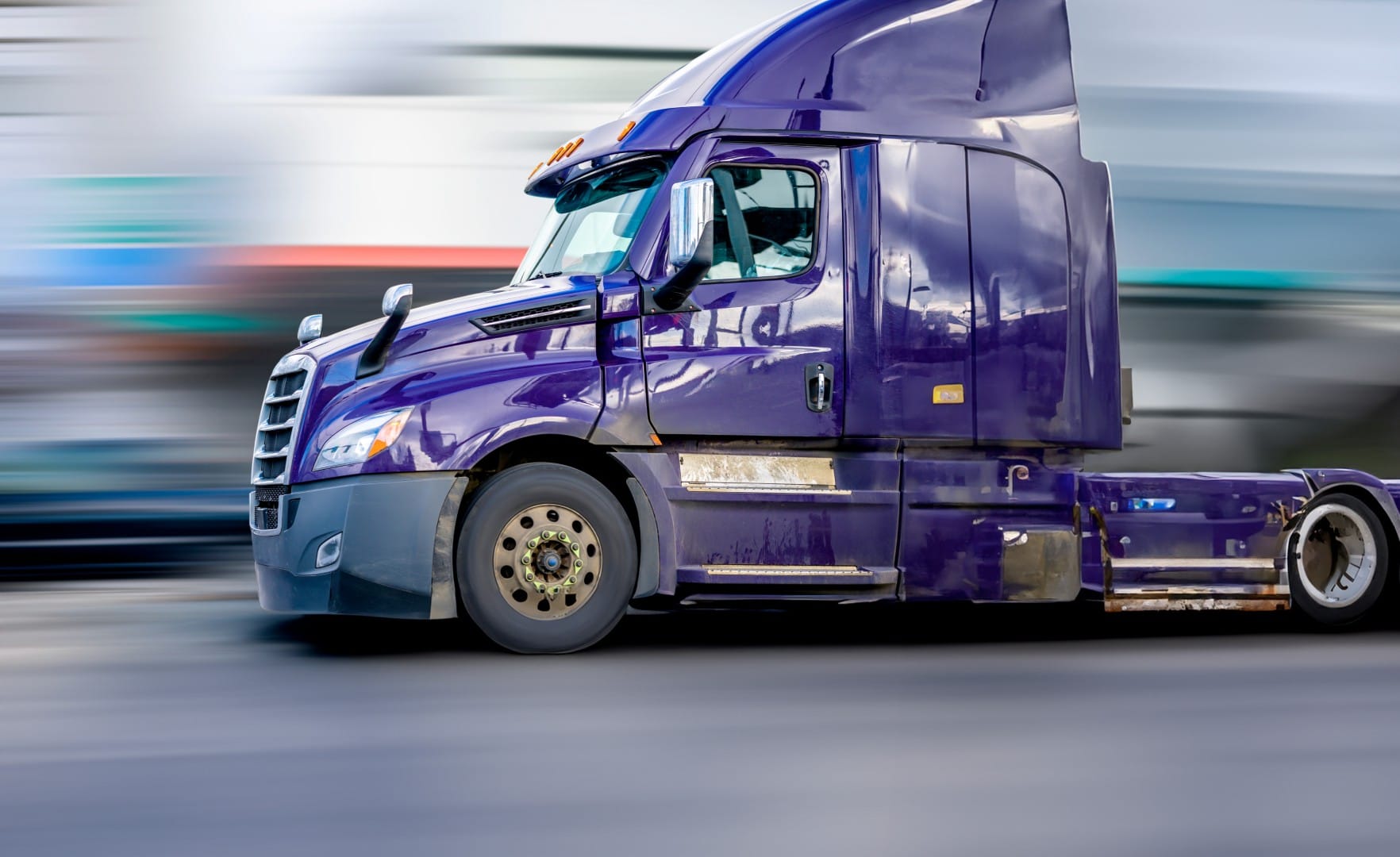
In the complex logistics landscape, businesses are continually seeking solutions that optimize efficiency and cost-effectiveness. Full truckload freight solutions offer a robust answer to these needs, providing a streamlined approach to moving large volumes of goods. This method can significantly reduce transit times and the potential for damage, making it an attractive option for businesses looking to enhance their supply chain operations. Understanding the nuances of full truckload freight can empower businesses to make informed decisions that align with their operational goals.
Understanding Full Truckload Freight Solutions
Full truckload freight (FTL) refers to the transportation of goods that require the entire space of a truck. This method is particularly beneficial when a company needs to ship large quantities of goods or when the freight is substantial enough to fill a truck’s capacity.
- FTL is ideal for shipments that exceed the volume limitations of ltl trucking.
- It reduces transit times as the truck travels directly from the origin to the destination without additional stops.
- There is less handling of goods, which minimizes the risk of damage.
The Advantages of Full Truckload Shipping
Choosing full truckload freight offers several advantages over other shipping methods. These benefits can be pivotal in optimizing the supply chain and ensuring timely deliveries:
- Speed and Efficiency: With no additional stops or transfers, FTL offers faster shipping times compared to ltl freight carriers.
- Reduced Costs: Although the initial cost might be higher, FTL can be more cost-effective for large shipments due to the economies of scale.
- Enhanced Security: Goods remain in the same truck throughout the journey, reducing the risk of theft or damage.
When to Opt for Full Truckload Freight
Deciding when to use full truckload freight depends on various factors, including shipment size, time sensitivity, and cost considerations. Here are key scenarios where FTL is advantageous:
- Large Shipments: When the volume or weight of goods justifies the use of an entire truck.
- Urgent Deliveries: When time is of the essence, and goods need to reach their destination quickly.
- High-Value Goods: When extra security is needed, FTL minimizes handling and potential exposure to loss or damage.
Comparing Full Truckload with Less Than Truckload (LTL)
Understanding the differences between full truckload and ltl shipping can help businesses choose the most suitable option. While FTL offers the benefits of speed and security, LTL might be more appropriate for smaller shipments.
Key Differences
- Cost Structure: LTL is often cheaper for small shipments as costs are shared among multiple shippers.
- Transit Time: FTL generally offers quicker delivery times as it travels directly without multiple stops.
- Handling: LTL involves more handling and transfers, increasing the potential for damage, whereas FTL minimizes this risk.
Conclusion
The decision to use full truckload freight should be based on a company?s specific shipping needs and goals. By leveraging the advantages of ftl trucking, businesses can streamline operations, enhance efficiency, and ensure their goods are transported securely and swiftly. As the logistics industry continues to evolve, staying informed about different shipping solutions empowers businesses to choose the most effective strategies for their unique requirements.
About the Author