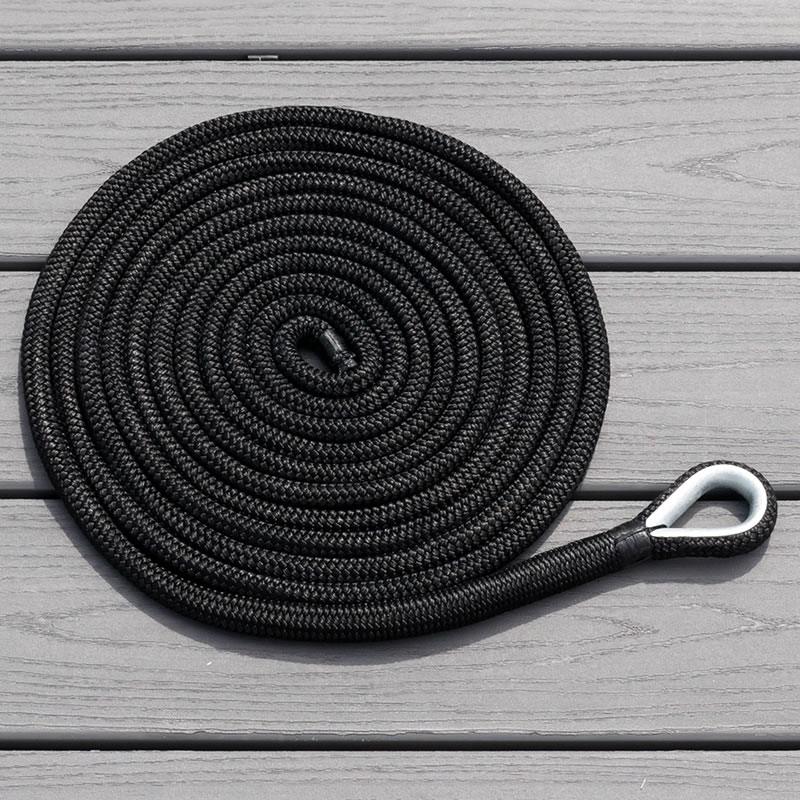
For any boating enthusiast, understanding the critical role of a boat anchor line is essential. An anchor line is not just a piece of rope; it’s a vital part of your vessel’s safety and functionality. Whether you’re a seasoned sailor or a novice mariner, choosing the right anchor line is crucial to ensure a secure anchorage. This guide will delve into the intricacies of boat anchor lines, providing valuable insights to help make an informed decision.
Understanding Anchor Lines
Anchor lines are specifically designed to connect the boat to the anchor, ensuring the vessel remains stationary. These lines are an integral part of maritime safety, providing the necessary tension and flexibility to adapt to various marine conditions.
Key Characteristics of Anchor Lines
- Strength: The anchor line spool should have enough tensile strength to withstand the boat’s weight and the water current.
- Flexibility: The line should be flexible enough to absorb shocks from waves and wind, reducing the strain on the anchor and boat.
- Durability: It must resist wear and tear and withstand harsh marine environments.
Types of Boat Anchor Lines
Choosing the best type of anchor line involves understanding the different materials available and their respective benefits.
Nylon Rope
- Strength and Elasticity: Nylon is renowned for its high strength and elasticity, making it ideal for anchor lines.
- Shock Absorption: The elasticity provides excellent shock absorption.
- Durability: It offers resistance to UV rays, rot, and mildew.
Polypropylene Rope
- Lightweight: This rope is buoyant and lightweight, making it easy to handle.
- Cost-Effective: Typically less expensive than other types of ropes.
- Limited UV Resistance: It has less UV resistance compared to nylon.
How to Select the Best Anchor Line
When selecting an anchor line rope, several factors should be considered to ensure it meets your specific needs.
Consider the Boat Size
- Small Boats: A 3/8-inch diameter line is typically sufficient for smaller vessels.
- Medium to Large Boats: A thicker line, such as a 1/2-inch or more, is recommended for larger vessels.
Environmental Conditions
- Calm Waters: In calm waters, a lighter line may suffice.
- Rough Seas: A heavier and more durable line is necessary for rough waters.
Caring for Your Anchor Line
Proper maintenance can significantly extend the life of your boat lines. Regular care ensures reliability and performance when it matters most.
Tips for Maintaining Your Anchor Line
- Regular Inspection: Frequently check for frays, cuts, and signs of wear.
- Cleanliness: Rinse with fresh water after use to remove salt and debris.
- Proper Storage: Store the line in a dry, cool place to avoid mildew and rot.
Conclusion
Choosing the best anchor line is a crucial decision for any boat owner. By understanding the different types of ropes available and considering factors such as boat size and environmental conditions, one can ensure a safe and enjoyable time on the water. Whether it’s for a leisurely sail or a fishing expedition, the right rope for anchor line will provide peace of mind and security.
About the Author


